%2Ffit-in%2F250x250%2Fguide_websites%2F29919%2Fimages%2F1744677450632resized-image-promo__1_-removebg-preview.png&w=1920&q=100)
/users/029aa1b4-9a00-447c-aa18-a08446d7b6e3/ratecard/462490324_2836530503177916_8192267495548235329_n.jpg)
%2F300x300%2Fusers%2F029aa1b4-9a00-447c-aa18-a08446d7b6e3%2Fratecard%2F462490324_2836530503177916_8192267495548235329_n.jpg&w=256&q=75)
%2Ffilters%3Aformat(webp)%2F300x300%2F3fff0520-77d8-42cf-8118-9364b48d787a%2Freport%2Fsocial%2Fimages%2Freport%2Fkailua-kona-deep-sea-fishing-2933.png&w=256&q=75)
World-Class Half-Day Kona Fishing | Silky Sport

 Kona
KonaWhat you will be catching:
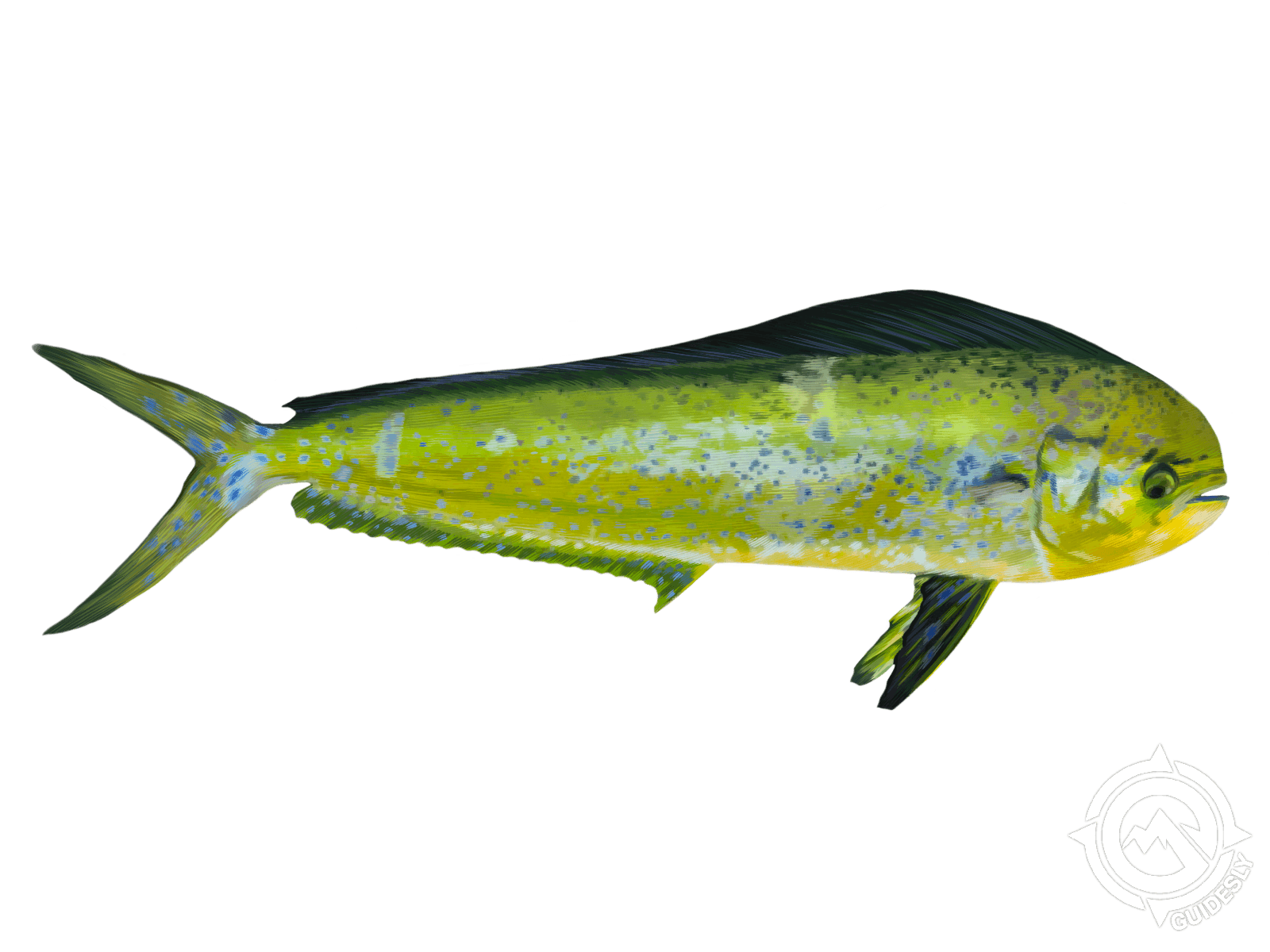
 Mahi Mahi or Common Dolphinfish
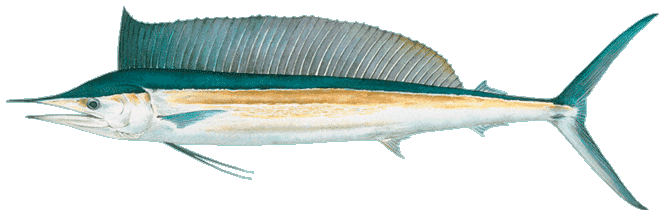
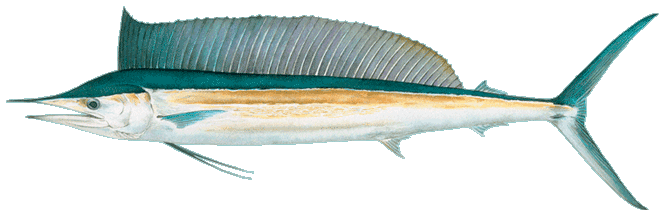 Shortbill Spearfish
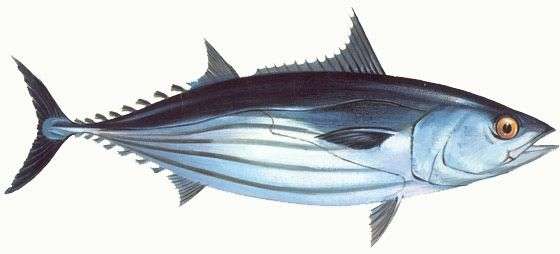
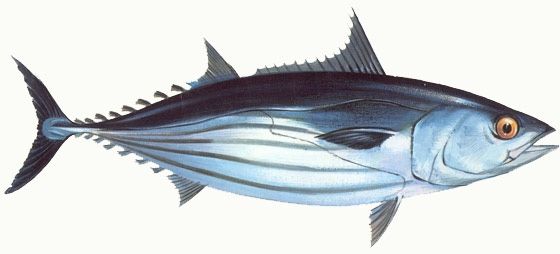 Skipjack Tuna
 Wahoo Fish
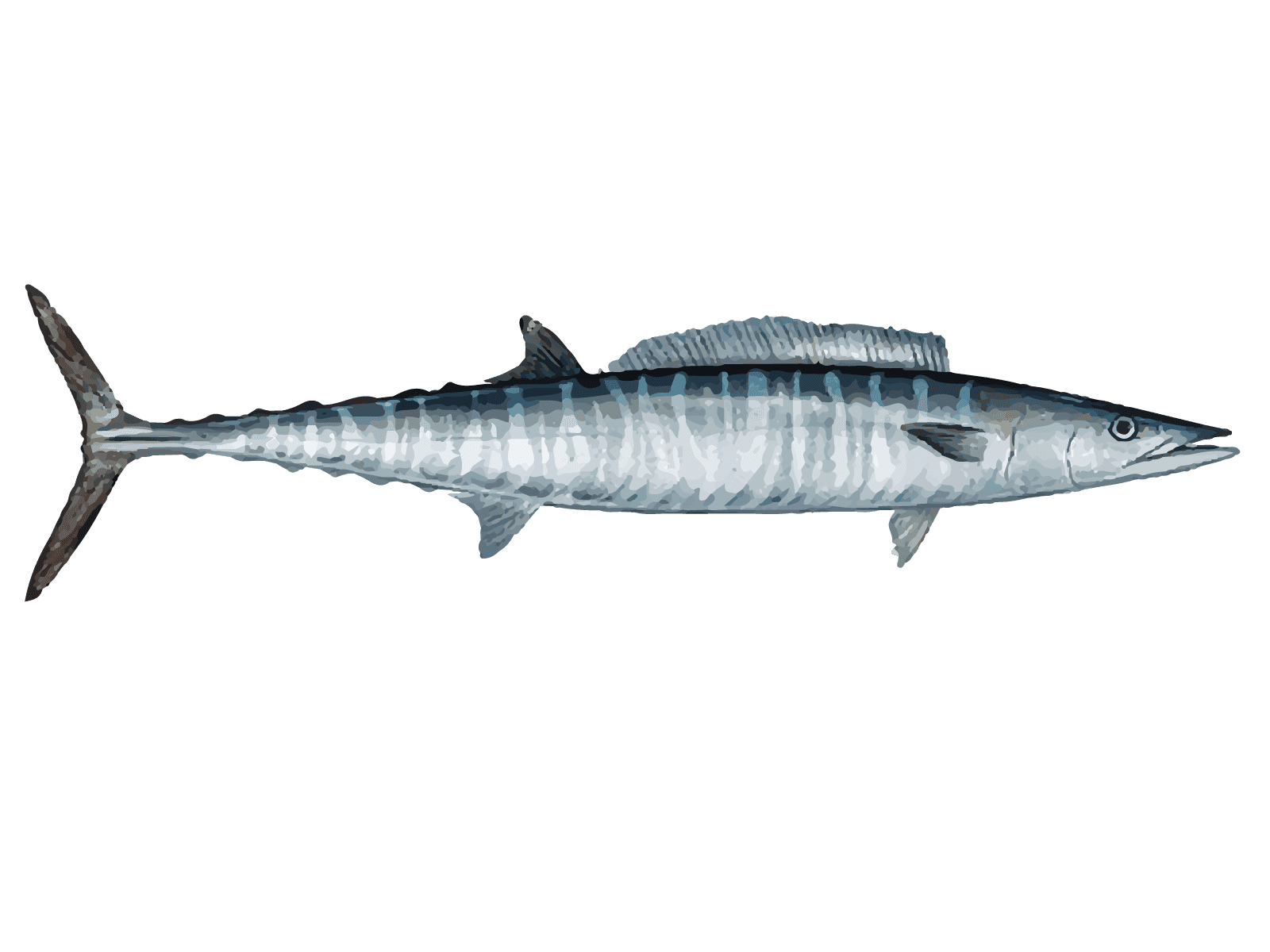
 Yellowfin Tuna
- Private half-day charter targeting Mahi Mahi, Tuna, and Marlin
- All equipment provided with hands-on instruction for beginners
- Four-hour trips accommodate up to six guests maximum
Trip Pricing and Availabilities:
Kona's Half-Day Offshore Fishing Adventure
Ready to chase some big game fish off the Kona coast? This private half-day charter is perfect for beginners looking to get their feet wet in the world of offshore fishing. We'll be targeting some of Hawaii's most prized catches like mahi-mahi and yellowfin tuna, with the chance to tangle with a mighty blue marlin. The waters off Kailua-Kona are teeming with pelagic species, and our experienced crew knows just where to find them. So grab your sunscreen and let's hit the deep blue!
What to Expect on the Water
Our 4-5 hour trip kicks off bright and early from Kailua-Kona harbor. We'll cruise out to where the seafloor drops off to over 6,000 feet - that's where the big boys hang out. The crew will set up a spread of lures, and we'll spend the day trolling for whatever's biting. Don't worry if you're new to this - our captain and deckhand will show you the ropes and help you reel in that trophy catch. We provide all the gear, so you just need to bring your excitement and maybe a snack. Keep in mind, offshore fishing can be a workout, so be ready for some action when a fish strikes!
Trolling Tactics 101
Trolling is the name of the game on this trip. We'll be pulling lures behind the boat at varying depths and speeds to attract different species. The crew will set up a spread of 4-6 lines, each with colorful lures designed to mimic baitfish. When a fish hits, it's all hands on deck! You'll take turns on the rod, fighting the fish while the crew coaches you through the battle. We might also use live bait if we catch some skipjack tuna along the way - that's like ringing the dinner bell for bigger predators. It's a team effort out here, and there's nothing quite like the rush when that reel starts screaming!
Fish Tales from Happy Anglers
"Great 4 hr fishing trip today with Captain David and Clayton. Caught a skipjack we used as live bait but a shark got to it. The girls then reeled in a hefty mahi-mahi that's on the grill as we speak! caught and released a 100lb marline, then hooked another 250lber but lost it! Looking forward to another day out with Silky" - Timothy
"Hi. We just got back from Hawaii and stopped in Kona and did a half day charter with Silky Sportfishing. We had an excellent time. The captain and crew were great and had a lot of experience. We only had to go maybe 20 minutes out or so as it drops down to 6000 feet really quick. We caught a Blue Nose Spearfish and around a 150lb to 180lb Blue Marlin. We tagged and released the Blue Marlin as we were on a cruise ship going back. Great fishing experience, great photos, and great crew. Thank you. Jeff Wall" - Jeff
Top Catches This Season
Mahi Mahi (Dorado): These colorful acrobats are a favorite among anglers. Known for their spectacular aerial displays when hooked, mahi can grow up to 50 pounds in these waters. They're most abundant from May to October, but you can catch them year-round. Mahi are lightning fast and put up an incredible fight - perfect for getting your adrenaline pumping!
Yellowfin Tuna (Ahi): A prized catch for both their fighting ability and their delicious meat. Yellowfin in Kona waters can reach over 200 pounds, though 30-80 pounders are more common on half-day trips. These powerful fish will test your stamina as they dive deep and make long runs. Peak season is summer through fall, but they're available year-round.
Skipjack Tuna (Aku): While smaller than their yellowfin cousins, skipjack are no less exciting to catch. These speedsters travel in schools and can create a frenzy of action when they start biting. We often use them as live bait for larger predators, but they're also great eating fish. Skipjack are most plentiful from late spring through summer.
Shortbill Spearfish: A less common but highly prized catch, spearfish are known for their incredible speed and agility. They're smaller than marlin, typically 20-40 pounds, but what they lack in size they make up for in fight. Spearfish are most often caught in the spring and summer months.
Blue Marlin: The holy grail of big game fishing. While not guaranteed on a half-day trip, hooking into a blue marlin is always a possibility in Kona. These massive fish can exceed 1,000 pounds, though 100-300 pounders are more common. Marlin are known for their spectacular aerial displays and long, powerful runs. Summer is peak marlin season, but they can be caught year-round.
Why Anglers Keep Coming Back
Kona's deep waters are a big game angler's paradise, and our half-day trips give you a taste of the action without breaking the bank. The short run to the fishing grounds means more time with lines in the water, maximizing your chances of hooking up. Our experienced crew knows these waters like the back of their hand, and they're passionate about putting you on fish. Whether you're a first-timer or a seasoned angler, there's always something new to learn and experience out here. And let's be honest - nothing beats the thrill of battling a big pelagic fish in the crystal-clear Hawaiian waters!
Time to Book Your Spot
So, are you ready to test your skills against some of the ocean's top predators? Our half-day offshore charters are perfect for beginners, families, or anyone looking to squeeze in some world-class fishing during their Kona vacation. Remember to grab that non-resident fishing license online before you come, and don't forget the camera - you'll want proof of your epic catch! Spots fill up fast, especially during peak season, so don't wait to book your adventure. Give us a call or book online, and we'll see you at the dock. Tight lines and see you soon in Kailua-Kona!
Customer Reviews
Mahi Marlin Magic

Timothy Oh
December 15, 2024
Blue Marlin Bonanza
Hi. We just got back from Hawaii and stopped in Kona and did a half day charter with Silky Sportfishing. We had an excellent time. The captain and crew were great and had a lot of experience. We only had to go maybe 20 minutes out or so as it drops down to 6000 feet really quick. We caught a Blue Nose Spearfish and around a 150lb to 180lb Blue Marlin. We tagged and released the Blue Marlin as we were on a cruise ship going back. Great fishing experience, great photos, and great crew. Thank you. Jeff Wall
Jeff Wall
April 12, 2018
Learn more about the species
Mahi Mahi or Common Dolphinfish
Mahi Mahi or Common Dolphinfish (Coryphaena hippurus) Fish Description
The Mahi Mahi or common dolphinfish, also known as the dorado, are distinctive because of the play of colors on their bodies. Their sides are golden, with splotches of bright blue and green on the back and sides, and pectoral fins a shimmering blue, and underwater they can boast a myriad of other colors depending on where the light hits. However, once taken out of the water, they change colors drastically like a light show, before finally fading to a silver or muted yellow-grey upon demise.

The head of this fish species is also quite distinct. It is characterized by a single dorsal fin that extends from the head to the tail or caudal fin. Male Mahi Mahi have a protruding head, while the female head looks a little more rounded.
The Mahi Mahi or common dolphinfish belong to the family Coryphaenidae, with the other one being the pompano dolphinfish. The juvenile common dolphinfish are often mistaken for the pompano as the latter are quite small. One way to distinguish them is to look at the pectoral fins. The pectoral fins of the common dolphinfish are longer compared to that of the pompano. They also differ in color once out of the water. The common dolphinfish will look a little more yellow, while the pompano will sport a more prominent silver.
Why are Mahi Mahi called Dolphin Fish?
The confusion over the name Mahi Mahi started in Hawaii. The answer to why lies in the history of the Hawaiian Islands where this fish species was first discovered. In Hawaii, mahi mahi means very strong or strong-strong and fisherman referred to the fish as Mahi Mahi. That phrase caught on and the fish went from Mahi to Mahi Mahi and sometimes spelt Mahi-Mahi. It is also referred to as "dorado," However, when mahi-mahi made its way to the US mainland, it was commonly referred to as "dolphin fish." This led to confusion among consumers who thought they were buying or eating meat from actual dolphins.
There are a couple of local stories as to how that happened. It is believed that early American fishermen visiting Hawaii heard locals referring to the fish as "mahi-mahi," mistook it for a reference to dolphins and started calling it "dolphin fish." A second theory suggests that mahi-mahi's long dorsal fin may be responsible for its common name. But the Mahi Mahi, Dophinfish, Dorado is not related to Dolphins in any way.
Why are Mahi Mahi called Dorado?
Mahi Mahi are also known as Dorado, which means golden in Spanish. This name is derived from their distinctive golden-yellow coloration, which is most prominent when the fish is removed from the water. When they are in the water, their coloration is more blue and green. The name Dorado is commonly used in Latin America, occasionally in Hawaii and is also used in other parts of the world where Spanish is spoken.
Is Mahi Mahi Good to Eat?
This fish is found in tropical and subtropical waters around the world and has become popular due to its mild taste and firm texture. But the question remains - is mahi mahi a good fish to eat? Yes, Mahi-Mahi is a popular food to eat, especially in coastal regions where it is readily available. It is a firm, white-fleshed fish that has a mild, sweet flavor, which makes it appealing to a wide range of tastes. It is also a versatile fish that can be prepared in a variety of ways, including grilled, baked, fried, or broiled. In many parts of the world, Mahi-Mahi is used as a substitute for other popular fish species such as tuna or swordfish. It is a healthy fish that is rich in protein, omega-3 fatty acids, and other important nutrients. Overall, Mahi-Mahi is a popular and delicious fish that is enjoyed by many people around the world.
When it comes to taste, many people enjoy mahi mahi because it has a mild flavor that isn't too overpowering. Its flesh is typically white with pinkish hues and has a slightly sweet taste compared to other types of fish. When prepared properly, it can be a flavorful and satisfying meal. Some people describe its flavor as being similar to that of swordfish or tuna, but with a slightly milder flavor profile. The versatility of Mahi-Mahi also makes it a popular choice for a range of cuisines, from Caribbean to Asian. Overall, if you enjoy seafood, there is a good chance you will find Mahi-Mahi to be a tasty and enjoyable fish to eat.
Mahi Mahi Size and Diet
The Mahi Mahi or common dolphinfish do not live long, with some reaching five years but rarely exceeding four. They, however, spawn all year long and mature quite quickly, making their population quite strong and stable. The average size for the Mahi-Mahi is 39 inches, weighing from 15 to 29 pounds. The Mahi-Mahi world record is 87 pounds.
The Mahi Mahi are carnivorous and are known as great swimmers, making them fantastic predators. They are not very particular with what they eat, though they do adapt as they mature. The juveniles of this fish species feed on crustaceans, while the adults focus on bony fishes. They are quite partial to the flying fish. They feed mostly during the day.
Interesting Facts About the Mahi Mahi or Common Dolphinfish
- This fish species mature quickly at three to four months. They practice broadcast spawning, a reproductive behavior wherein both females and males release their respective eggs and sperms into the same water column. This practice apparently guarantees a better chance of fertilization.
- Female Mahi Mahi spawn two to three times annually. In their lifetime, they can produce millions of eggs.
- Big consumers of this fish species: the United States and the Caribbean. The Japanese, Hawaiian, and Australian markets are also significant.
- If you're catching a Mahi-Mahi to eat, make sure to store it with lots of ice before you clean it. This serves two purposes: it keeps your fish fresh, and it makes cleaning much easier.
- The flesh of the Mahi-Mahi is similar to that of the swordfish. It tastes best pan-fried, grilled, roasted, or simmered in sauce. Because its flesh is firm, it is also good to cook it over wood or coal.
- The Mahi-Mahi is also has a small instance of ciguatera poisoning, which is caused when the toxins from Gambierdiscus toxicus are consumed by the fish accidentally and grow in their bodies through time.
Fishing Technique: How to Catch Mahi Mahi or Common Dolphinfish
The common dolphinfish are prized both as game fish and as commercial species. Anglers love fishing for them because they are quite stunning to look at and can also make great food.
When fishing for the common dolphinfish, one should look for an area that has a lot of floating debris by the edge of the reef, as this fish species are attracted to such. Also, anglers should keep a look out for frigate birds trolling any floating debris as they can take you to some big catch.
This fish species can be caught with trolling near weedlines, floating debris, and currents. If you choose to do so, make sure you employ the use of 30- to 50-pound class rods and reels. With trolling, you can use live bait (ballyhoo or squid are most recommended) or artificial lures. Make the bait skip on the surface of the water to excite the common dolphinfish (they love a good flying fish for their meal, after all).
The common dolphinfish are quite strong swimmers and are quite hard to reel in, so anglers will do well with an equally strong tackle, and perhaps another one for back-up just in case the one you're using breaks off while you're reeling this strong fish in.
Is a Mahi Mahi a Tuna?
No, Mahi-Mahi, also known as dolphin fish, is not a type of tuna. Mahi-Mahi is a species of fish in the Coryphaenidae family, while tuna belongs to the Scombridae family. Although both Mahi-Mahi and tuna are popular fish to eat, they have different characteristics and are not closely related. Mahi-Mahi has a mild and sweet flavor with a firm texture, while tuna has a more robust and meaty flavor with a soft and flaky texture. Additionally, Mahi-Mahi is typically found in warmer waters, while tuna can be found in a wider range of habitats.
Why is Mahi Mahi called Dolphin?
There has been some confusion regarding whether or not mahi mahi is a dolphin. Mahi-Mahi is sometimes referred to as a dolphin or more likely, a dolphin fish, because of its similar appearance to the mammal dolphin. While both species share similar physical characteristics such as their long dorsal fins and bright colors, they are distinctly different animals. Mahi mahi belongs to the Coryphaenidae family of fish, while dolphins belong to the Delphinidae family of mammals. However, it's important to note that Mahi-Mahi is not related to dolphins in any way.
It's important to clarify this misconception because many people avoid eating mahi mahi due to their belief that it's related to dolphins. In reality, consuming responsibly sourced and properly prepared mahi mahi can be a healthy and sustainable choice for seafood lovers.
Is Mahi Mahi Safe to Eat?
When it comes to questions about its safety as a food source, many people are left wondering whether it's safe to eat or not. In general, mahi-mahi is considered safe to consume, but there are some risks associated with eating this fish that must be taken into account.
One of the main concerns regarding mahi-mahi consumption is the risk of ciguatera. Ciguatera is a type of food poisoning caused by eating fish that have consumed toxic algae. Mahi-mahi can be a carrier of this toxin if they have eaten smaller reef fish that were contaminated with ciguatoxins. Symptoms of ciguatera include vomiting, diarrhea, and neurological symptoms such as tingling sensations in the fingers and toes. While ciguatera is most commonly associated with reef fish such as barracuda and snapper, it can also affect pelagic species like mahi mahi.
Where do Mahi Mahi Live? Habitat and Distribution
This surface-dwelling fish species are typically found under floating objects. Sometimes those floating objects are floating sargassum, and sometimes they can even be ships.
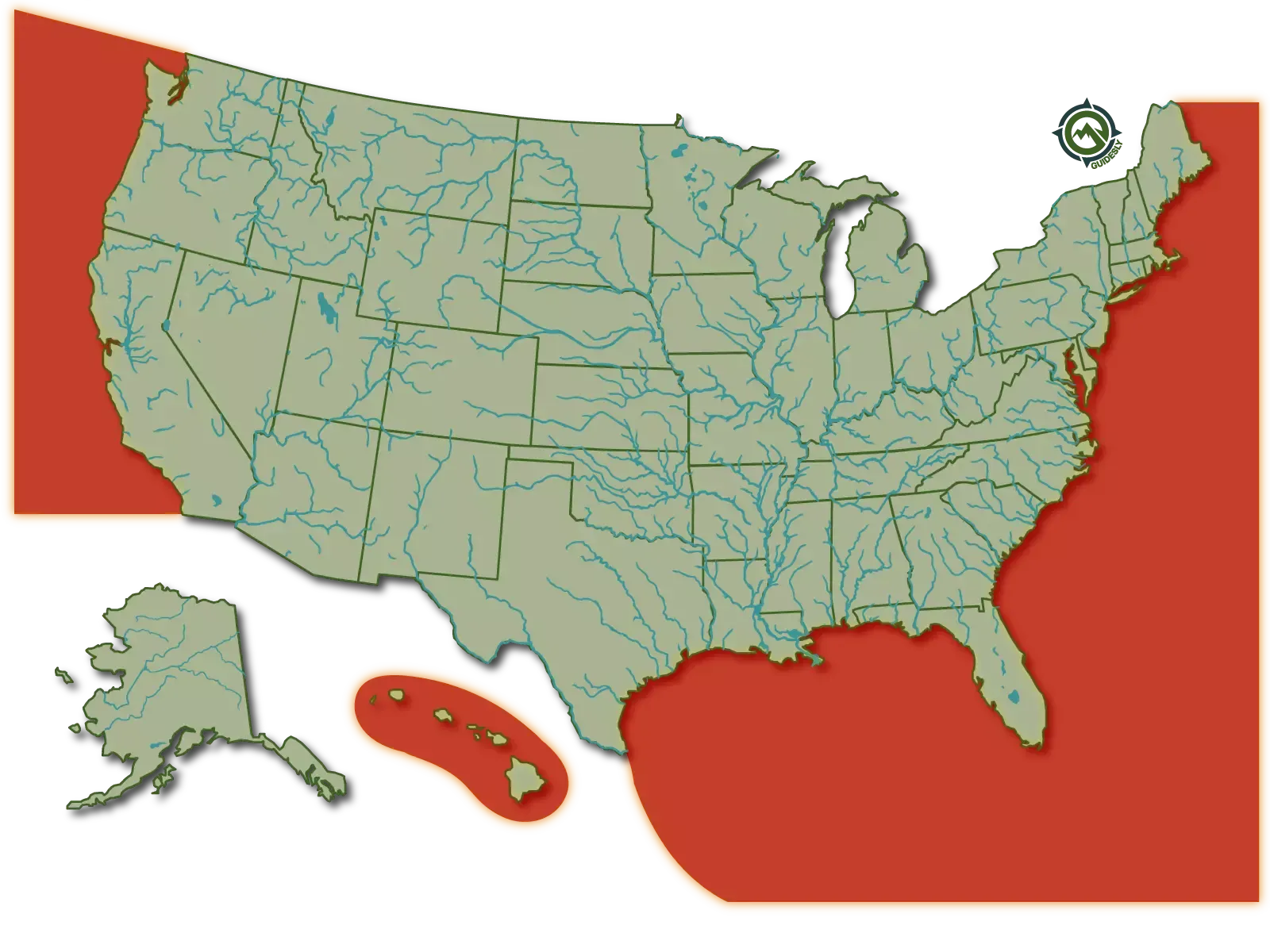
The common dolphinfish are found worldwide in warm and temperate waters, distributed along the Atlantic, Pacific, and Indian Oceans. They occur in both the western parts (particularly the Sea of Japan, around the Philippine Islands, and Taiwan) and eastern parts (from the Oregon and Californian coasts to Peru) of the Pacific Ocean. In the warmer waters of Southern California, their population is quite abundant, particularly in Newport Beach San Diego, Long Beach, and Dana Point. In the Atlantic coast, they are found in Florida, particularly Miami, West Palm Beach, and the Keys.
Shortbill Spearfish
Shortbill Spearfish (Tetrapturus angustirostris) Fish Description
Shortbill Spearfish is known under names such as the Short-nosed Spearfish, Slender spearfish and Japanese spearfish.
They have a dark, black band across the upper part of the fish, and have a silverish-white color below it. Both its dorsal and ventral fins are close to stark black, but its anal fins are white in color. The inner surfaces of the pectoral fins and the tail are black but their outer surfaces are whitish.
To be able to distinguish the Shortbill spearfish from other relative species is by their lightweight and lean bodies. As with their names, they have the shortest bill amongst the other billfish and that their dorsal fins are >50% their bodies’ height, which is higher than a Marlin fish’s dorsal fin and lower than a Sailfish.
In the comparison of the Shortbill spearfish to the Longbill, is that the Longbill spearfish has a bill twice the length of its lower jaw, whereas the Shortbill spearfish bill is scarcely longer than its own lower jaw. And common for all variations of the spearfish is that their dorsal is bright blue with no spots.
Diet and Size
Shortbill Spearfish, such as the other spearfishes are considered to be surface feeders. And they primarily consume other small to medium-sized fish and squid.
Shortbill Spearfish can grow up to the lengths of 91 in., but most that are caught do not exceed the length of 75 in. Their maximum weight is recorded to be up to 115 lbs.
Interesting Facts about Shortbill Spearfish
- Shortbill Spearfish, such as other spearfish are not often caught to be as game fish in most areas in the world as by the number of them are considered to be too low and often are a result as a “by-catch” when caught accidentally by other anglers targeting other billfish or by commercial fisheries for tuna.
- Spawning for the Shortbill Spearfish is believed to occur during the winter season, at areas of water with warm offshore currents reaching the surface temperature of around 25-degree celsius.
- The Shortbill Spearfish matures at the age of two, and rarely lives past the age of 3. Though scientists are unsure due to limited data, it can be presumed that they can live at the maximum age of 4 to 5 years of age.
- Shortbill Spearfish are considered to be edible, with a similar taste to White and Blue Marlin fish, but with a more pronounced taste over Tuna. It is one of the several species of billfish that are compatible for grilling and broiling. In Hawaii, the Shortbill spearfish, also known as Hebi, are considered to be “catch-of-the-day” items for their menus.
- The IGFA realizes the stark differences among the spearfish species and they plan to formally recognize their distinction as they aren’t opposed to that idea.
Fishing Techniques
There are methods you can try to catch a Shortbill Spearfish. First, the Pelagic Longline, a method most often used when attempting to catch tuna or swordfish in the open seas. It requires a deep-set longline or a shallow-set long line with baited hooks attached to floating lines on the ocean by the use of buoys or even flagpoles.
Another method would be the Pelagic Hook-and-line, to catch coastal fish such as tuna, swordfish again, marlins, and others. They use a variety of artisanal hook-and-line methods. But essentially it is a pole and line with live bait attached and scattered into the water. Trolling using lures and lines, or hand lines with lures, or lines and bait bags can be used in targeting large fish.
As spearfish are of a numbered species and are often caught accidentally as “by-catch”, methods of catching almost any other pelagic large fishes would, and with a bit of luck, work to catch you one of those Shortbill Spearfish.
Habitat and Distribution
Shortbill Spearfish are pelagic fish, they often occupy open waters and do not often stray far from the surface. They are open ocean, deep water fish frequently observed in temperate and tropical climate oceans, along the Indian and Pacific oceans, which is believed to be their location for their principal population and even their spawning grounds. Though some stray individuals can be found in the Atlantic ocean. They are considered to be a highly migratory type of species.
Skipjack Tuna
## Skipjack Tuna (Katsuwonus Pelamis) Skipjack Tuna is a smaller fish in the Scombridae Tuna family. They have a streamlined and torpedo-shaped body adapted for fast swimming. These species live in the pelagic zone of tropical waters all around the world. They have scales only on the lateral sides of their body and behind the head. They have dark purple or blue color on the back and silver on the lower sides. They also have 4-6 vertical dark bands on their lower body, which looks like dark blotches. Including the abdominal region, half of their body is whitish to pale yellow. ## Skipjack Tuna Size Skipjack Tuna grow quickly, similar to other tropical tunas. Skipjack can reach a maximum of 4 feet in length and 76 pounds in weight; however, the average catch will be around 2-3 feet and 20 pounds. They have a relatively short life span of about 8-12 years. ## Skipjack Tuna Fun Facts Skipjack considered albacore in the canned tuna industry is the most used type of tuna found in canned tuna, especially canned light tuna. Because of their canned tuna market popularity, ICCAT, (The International Commission for the Conservation of Atlantic Tuna)is an inter-governmental fishery organization responsible for the conservation of tunas and tuna-like species in the Atlantic Ocean and its adjacent seas for their protection. Females can produce between 100,000 and 2 million eggs per year and can spawn as often as once a day. Once fertilized, the eggs hatch in about one day. They are prey upon by large pelagic fish such as billfish, sharks, and other larger tunas such as the Bluefin Tuna or Yellowfin Tuna. They are also used as bait fish to catch these fish. These are the most abundant of the tuna species in open oceans of tropical and sub-tropical regions. You can find them in schools with juvenile Yellowfin Tuna. They go by many different names such as balaya, tongkol, arctic bonito, mushmouth, oceanic bonito, and striped tuna. ## Skipjack Tuna Habitat Skipjack are tropical tunas that live in the temperate waters of the Atlantic Ocean, Pacific Ocean and Indian Ocean. They are an pelagic fish living offshore in waters below the continental shelf. They are not too fussy about their food, preying on a variety of fish like herring, crustaceans, ## Skipjack Tuna Fishing Methods, Baits and Lures Because Skipjack are a highly valued tuna in the fish canning industry, they mostly caught in a fishery by commercial fishermen with purse seine nets. But when the recreational angler is out to catch one of these, some commonly used methods for them would be pole and line, trolling, handline, and longlining. Because these fish travel so often in big schools, we recommend trolling to be the number one method. The most effective trolling setup is a hoochie rig with a speed range from 4-6 knots. As they usually live in the upper half of the water body, anglers should adjust the depth of the rig accordingly. Other baits you could use are feathers, plugs, or spoons. Skipjack are easily spooked, so be careful to circle the school with the boat and allow your bait to troll as close to the school as possible, even drifting through the school if you can. Trolling is also a useful technique when you are not sure of the location of the fish. If no school is spotted, troll the bait a reasonable distance behind the boat. If they are feeding on the surface, you could go with jigging, which is useful for reaching larger fish that are deeper in the ocean. Live baits are best, but artificial lures can also be very rewarding. Pink feathers, squids, spoons, skirts and, swimming ballyhoo are artificial baits that should lure them in. For the fly fishermen, epoxy patterns, sand eels and, small deceivers work well for flies. ## Skipjack Tuna Distribution Skipjack Tuna are tropical tunas found in the Atlantic Ocean, Indian Ocean and the Pacific Ocean, with the highest abundance seen near the equator. Suitable water temperature for Skipjack ranges from 15 ֯ F to 30 ֯ F. They swim near the surface at night and when they are feeding during the day. Otherwise, you will probably find them in the depths of 850 feet being a pelagic species. Large schools of adult Skipjack Tuna often mix with juvenile Yellowfin and Bigeye Tuna.
Wahoo Fish
Wahoo (Acanthocybium Solandri) Fish Description
The wahoo has a slender, elongated body covered with small scales. It has a shimmering blue back that may appear green from above and has silvery sides with zebra-like blue stripes or bars. Its underside is silvery-white.
It has a beak-like snout, large mouth, and sharp serrated teeth. The wahoo has a fold of skin that covers its jaw when the mouth is closed which differentiates it from the Spanish mackerel and Atlantic mackerel.
It has 2 dorsal fins that trail off into 8-9 finlets, leading to a forked caudal fin. The anal fin is aligned below the second dorsal fin and has 9 finlets. Its lateral line stretches across its entire body and curves under the first dorsal fin.
Spawning
The Wahoo reproduces through broadcast spawning, where females release eggs simultaneously that males discharge sperm. This increases the chances of fertilization and lessens the odds of the eggs being consumed. Adults reproduce multiple times within the year-round spawning season, usually near Florida and the Caribbean. Females can produce several million eggs a year, and this high reproductive rate and accelerated growth have kept this fish safe from overfishing.
Size and Speed
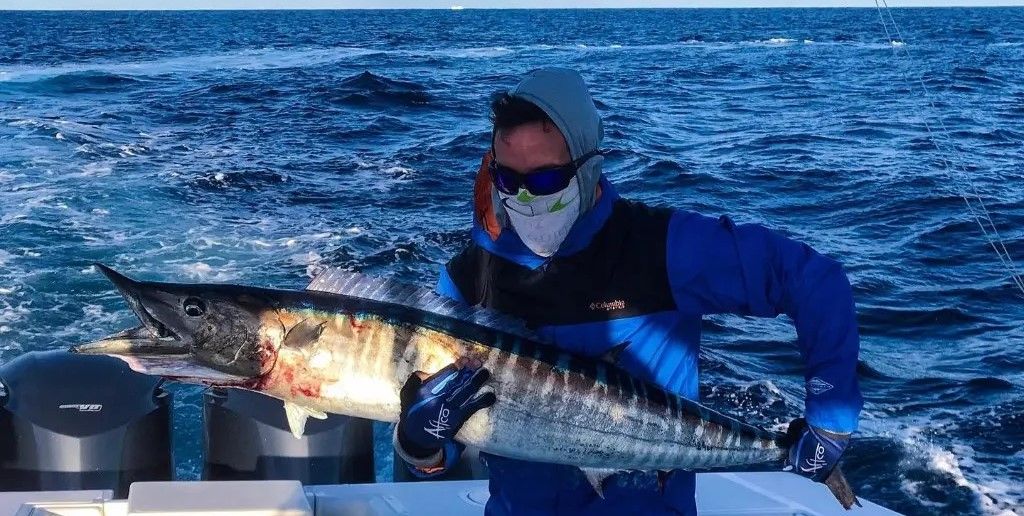
The Wahoo grows fast and is generally 3 to 5 feet, but has been documented at 8 feet 2 inches. The IGFA All-Tackle world record is at 184 lb caught in Mexico in 2005.
It’s one of the fastest fish with an average speed of 48 mph and a top speed of up to 60 mph. Their spindle-shaped body and endurance make them successful hunters.
Interesting facts about the Wahoo
- Ono, another name for the Wahoo, means “good to eat” or “delicious” in Hawaiian
- Its colors fade immediately upon death
- It is unable to regulate its body temperature
- It is prey only to the largest ocean predators, such as sharks and billfishes
- The Wahoo’s speed makes it a prized game fish similar to barracuda. It’s also coveted for its delicate flaky flesh, making it a premium-priced food fish.
Diet
This large fish has a very diverse diet that consists of squid, tuna, little tunny, porcupine fish, flying fish, dolphinfish, jacks, herring, pilchards, scad, frigate mackerel, butterfish, and lantern fish, as well as many other pelagic species.
Is Wahoo Good to Eat?
Wahoo fish is a popular game fish found in the warm waters of the Atlantic, Indian, and Pacific Oceans. This species is known by names such as Ono in Hawaii and Peto or Beto in Mexico. The question that arises for most people is whether Wahoo Fish makes for a good meal or not.
Wahoo has a firm texture with white meat that's mild and sweet tasting. It's often compared to other pelagic fishes like tuna, swordfish, and mahi-mahi due to its delicate flavor. Wahoo also has low oil content making it ideal for those who prefer less oily seafood. This fish is well known for Wahoo fish tacos. Wahoo is a healthy, extra-lean protein, low in saturated fat and sodium. Wahoo is rich in omega 3's, niacin, vitamin B6, vitamin B12, and other nutrients.
When cooked properly, wahoo can be an exceptional food item that satisfies even the most discerning palates.
Fishing Techniques: How to Catch a Wahoo
In the Gulf of Mexico, the Wahoo doesn’t stray far from the shore. They can be found near oil and gas platforms, particularly near Port Aransas in Texas. The angler will have success here especially during the cooler months. They are abundant in Florida from July to November and fishing Wahoo peaks in Hawaii from May to October. However, you may find the best place for Wahoo fishing is in their native Bahamas when they are migrating in high numbers between March and November.
High-speed trolling at 12-15 knots with a 4-6 lure spread is commonly used to catch this fish. A fast trolling rig will feature a 30-50 wide reel with wire leaders since the wahoo’s teeth can cut through mono or fluorocarbon easily. Anglers can use a double braided line attached to an 80-100lb leader about two feet long. Minnow lures, bulletheads, and plungers are some favorite lures to use.
If slow trolling (around 8-10 knots), fresh ballyhoo baited on double J-hooks with a rubber skirted resin head lure, or a diving-lipped lure is effective. Using jigs under floating debris and chunking are also efficient fishing techniques.
Habitat & Distribution

The Wahoo is found in all tropical and subtropical waters worldwide but may migrate to higher latitudes during warmer months. Its native range includes the Atlantic, Indian, and Pacific Oceans.
In the north Atlantic, it’s abundant during the summer from North Carolina and Bermuda and year-round in Florida to the Gulf of Mexico.
The Wahoo is a pelagic open-ocean fish that is often drawn toward drifting objects is commonly found in waters up to 66 feet deep. While it’s known for being solitary, it may form small groups of 2-3 individuals and will form larger groups when mating.
Yellowfin Tuna
Yellowfin Tuna (Thunnus Albacares) Description
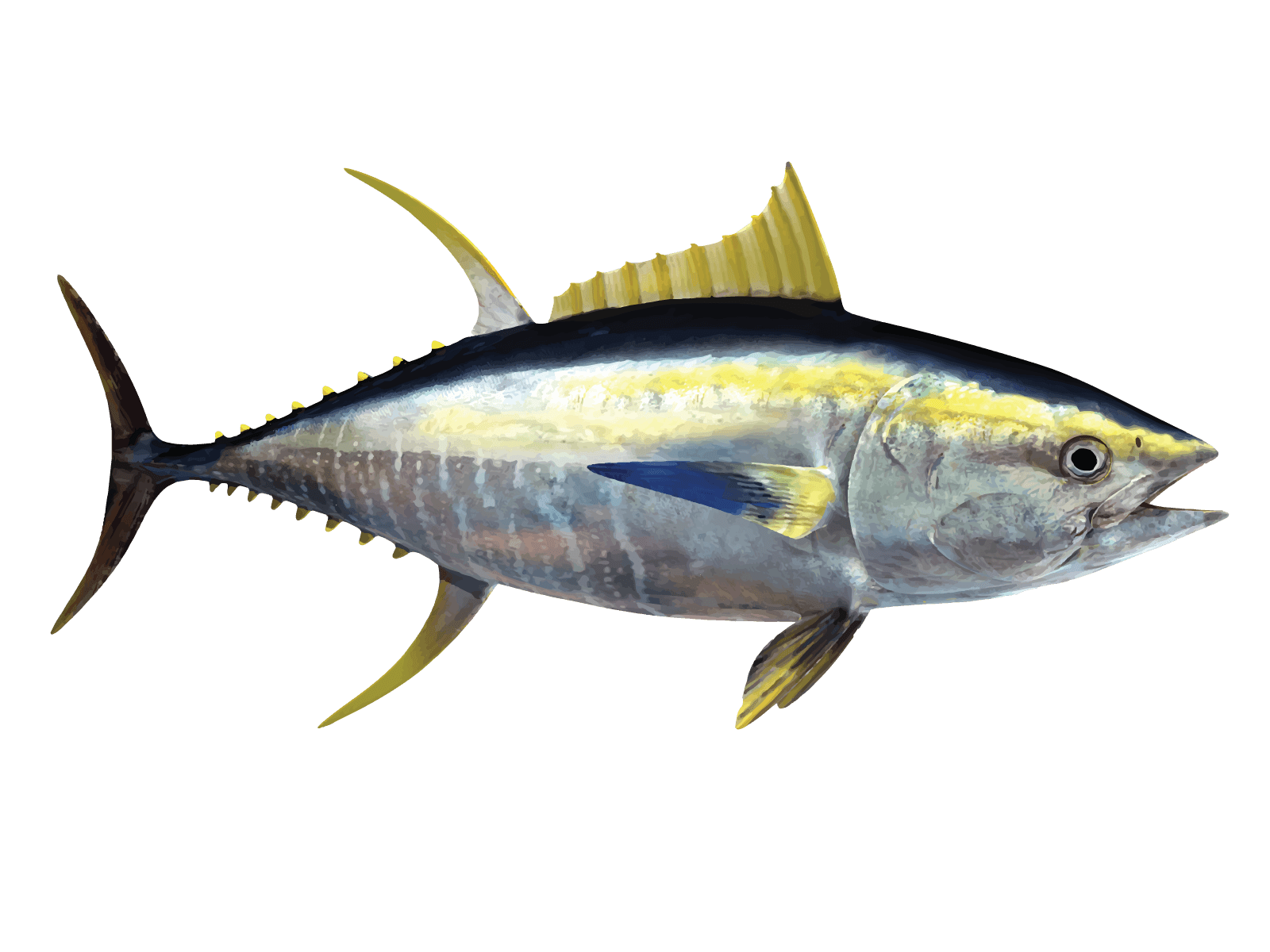
The Yellowfin Tuna is a larger fish in the tuna species. It has a streamlined and torpedo-shaped body with bright yellow coloring on its tail, dorsal fin, and anal fin thus giving it its name. Along with the yellow color on their sides, they have dark metallic blue color on their backs and silver on their belly region. In an adult Yellowfin, the second dorsal and anal fins are large, extending back to the tail, and appear as crescents. It is a warm-blooded fish.
Size and Speed:
Yellowfin can be found weighing up to 440 pounds, but an angler is more likely to catch a 60-pounder. The body ranges from 2 to 7 feet. Due to their streamlined body, yellowfin tuna can move at an astonishing speed of 50 miles per hour.
Fun Facts
- The Yellowfin Tuna, or known by their other name, Ahi, is a prized fish in the Japanese fresh fish cuisine of sushi or sashimi. It also makes a great grilling steak.
- Although the Bluefin Tuna is considered the holy grail of fresh tuna because of its delicious fatty meat, the Yellowfin comes in at a close second in taste and is much cheaper and easier to find at the grocery or fish store.
- Bluefin is quickly picked up by high-end restaurants making Yellowfin more readily available at the fish market.
- Yellowfin Tuna are known as spawning and eating machines. They have a featured meshwork of tiny blood vessels around their muscles, making them warm-blooded.
Habitat:
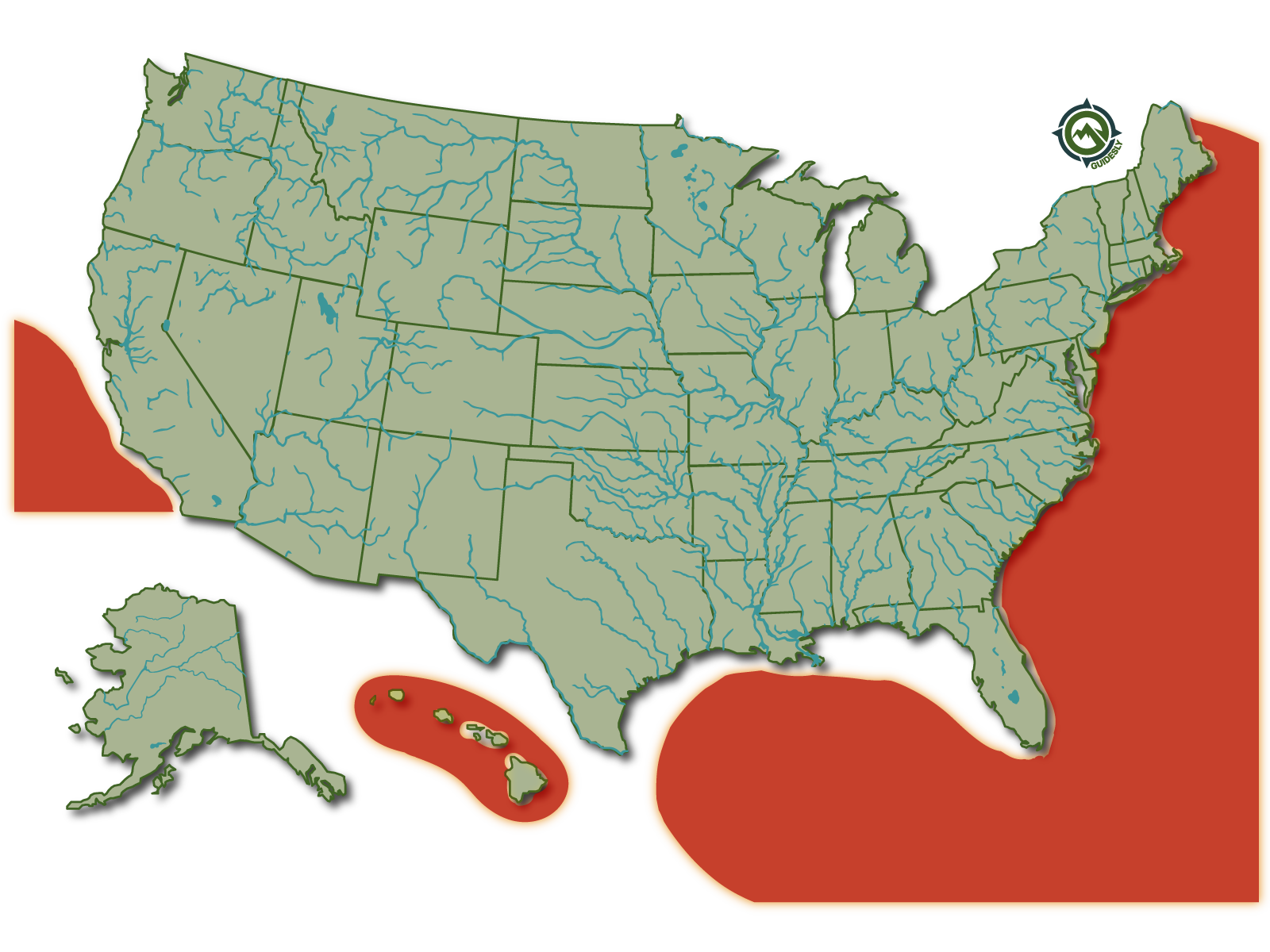
Yellowfin tuna are commonly found in tropical and sub-tropical regions worldwide. They are most often found in the upper hundred meters of the water column. Yellowfin tuna are highly migratory; they travel large distances and even entire oceans.
Fishing Techniques - How to Catch Yellowfin Tuna
Yellowfin Tuna are abundantly caught as offshore gamefish throughout the year. Different methods include trolling, casting, jigging, or drifting. Setting up a trolling spread can be a complicated business, but rigged ballyhoo, skirted trolling lures, cedar plugs, and spreader bars are a good place to start. When you’re marking fish down deep but nothing’s biting, sometimes it’s smart to bring in the spread and start jigging.
While trolling and jigging can be effective, nothing matches the excitement of a Yellowfin coming out of nowhere to annihilate a surface plug.
Fly fishing is not easy for yellowfin tuna. Popper and Tandem tube fly are best, but it can be hard to get a yellowfin tuna to commit to taking your fly.
Chunking is a technique that’s often used to draw the attention of a finicky tuna. It’s pretty straightforward, essentially cutting up dead bait and tossing it overboard to draw hungry tuna up from the depths. You’ll have the most success using whatever it is that the tuna are feeding on at that time of year in your location. Herring, menhaden, blue runners, and anchovies are all viable options.
Spawning:
This tuna spawns from May to August in the Gulf of Mexico and from July to November in the southeastern Caribbean.
Distribution and Habitat
Yellowfin tuna are native to the Pacific Ocean, Indian Ocean, and Atlantic ocean. They can be found as far north as Massachusetts in the summer.
They are found in the top 330 feet or pelagic zone of the water.
US Regulations
US Regulations Season - always open
Size limit - The Carolinas, Alabama, Louisiana, Mississippi - 27'' curved, FL minimum; other states have no size regulations.
Bag limit (per angler per day) - The Carolinas, Mississippi - 3; California has a 20 finfish bag limit, with no more than 10 fish of a single species allowed, other states have no relevant bag regulations;
About the The Silky
%2F%2Fusers%2F029aa1b4-9a00-447c-aa18-a08446d7b6e3%2Fvehicle_picture%2F105865855_1621574204673558_4556398459131595021_n.jpg&w=1920&q=75)
Vehicle Guest Capacity: 6
Manufacturer Name: J&T Detroit Diesel
Maximum Cruising Speed: 25
Number of Engines: 2
Horsepower per Engine: 485

Great 4 hr fishing trip today with Captain David and Clayton. Caught a skipjack we used as live bait but a shark got to it. The girls then reeled in a hefty mahi-mahi that’s on the grill as we speak! caught and released a 100lb marline, then hooked another 250lber but lost it! Looking forward to another day out with Silky